Black Media Was Built to Uplift Us. Shame on The Root for Playing Into Stereotypes.
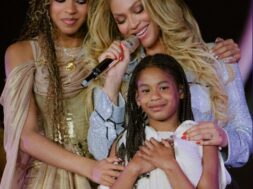





By Edrea Davis – Let’s be real—Beyoncé didn’t just open a tour, she created a whole vibe. The Cowboy Carter kickoff at SoFi Stadium was more than a concert—it was a cultural statement, a Southern reclamation, and a celebration of Black identity in a space where it’s too often erased. From the visuals to the vocals to the genre-bending power of it all, one of the most influential artists of our time gave us a night to remember.
So why did The Root—a platform built to speak to and for Black people—choose to lead with this?
“Whew Chile! Beyoncé’s Cowboy Carter Tour Opening Night Ends in Fan Brawl With a Beatdown.”
Not the performance. Not the groundbreaking music. Not the cultural moment. A fight?
That’s not bold. That’s irresponsible. That’s embarrassing.
That’s not cultural commentary. That’s clickbait. And it’s shameful.
Black media was born out of necessity—to tell the truth when white media ignored us or got it wrong. From The Chicago Defender to Ebony and Jet, Black publications didn’t just report news; they shaped identity. They challenged stereotypes. They told the stories of our triumphs, our resistance, our excellence—especially when no one else would.
To see The Root choose to center a brief fight after the concert instead of Beyoncé’s once-in-a-generation cultural impact is a betrayal of that legacy. It feeds the very stereotypes Black media was created to dismantle: that our events are chaotic, our spaces unsafe, our joy short-lived and tainted by conflict.
We know that wasn’t the defining moment of the night. We know Cowboy Carter represents decades of artistic evolution and cultural reclamation. We know that for many Black fans, that night was deeply emotional—a celebration of identity, heritage, and unapologetic Blackness.
But anyone who only read The Root’s headline would be left with a very different impression. And that’s the harm.
When our own platforms sensationalize us, they make it easier for others to dismiss us. When they reduce our magic to mess, they hand over the narrative we’ve spent generations reclaiming. They’re diminishing Beyonce’s powerful voice.
There’s a place for honest conversation about behavior at public events. But leading with “brawl” in a moment that deserved “brilliance” is not that conversation. It’s exploitation—and it’s especially disappointing when it comes from a platform that knows better.
Cowboy Carter deserved better. Beyoncé deserved better. Black audiences deserved better. And let’s be honest—if a mainstream outlet like Rolling Stone or The New York Times had led with a headline about a “beatdown” at a Beyoncé concert, the outrage would’ve been swift and loud. We would be calling for apologies, boycotts, and accountability.
So why is it acceptable when it comes from a Black publication that claims to speak to and for us?
For those of us old enough to remember the long, painful history of how negative portrayals of Black life have been weaponized against us—by media, by politics, by law enforcement—this kind of coverage isn’t just disappointing. It’s frightening. It’s frightening that editors at The Root read that headline and thought it was clever or funny, instead of seeing how deeply offensive and damaging it is. That they didn’t stop to ask: What does this say about us? What does it reinforce? What does it erase? Is it necessary.
This isn’t about being sensitive. It’s about being responsible.
Black media should continue to challenge, question, and critique—but always with purpose. And always with love. That means telling the full story, not just the most clickable one.
Beyoncé gave us a masterpiece. We owe her—and ourselves—coverage that rises to meet it.