Legend Lost: Congressman Charles Rangel—A Powerful Public Servant Who Took Harlem Swagger to the Halls of Capitol Hill
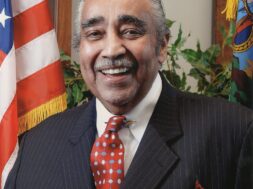






By Edrea Davis – It’s profoundly fitting that Congressman Charles B. Rangel—a man who embodied service, patriotism, and public duty—passed away on Memorial Day at age 94. Born in 1930 during the height of Jim Crow, to a Puerto Rican father and African American mother, Rangel’s journey was a quintessential American story of resilience, purpose, and Harlem swagger. He rose from the grips of poverty and hardship—a high school dropout who went on to serve with honor in the U.S. Army during the Korean War, earning both a Bronze Star and a Purple Heart. After the war, he pursued his education, earned his law degree, and embarked on a historic political career.
Rangel wasn’t just a Congressman; he was Harlem personified—fighting for justice with style, substance, and soul. Over nearly five decades in the House of Representatives, he fought not just for Harlem but for working-class people of every race. He played a pivotal role in shaping the Earned Income Tax Credit, which lifted millions of Americans out of poverty. Congressman Rangel was a hero to many, including me.
Rangel launched his political career in the New York State Assembly before making history in 1971 by unseating the iconic Adam Clayton Powell Jr.—a monumental and symbolic shift in Harlem’s political dynasty. But Rangel didn’t just inherit a legacy—he built his own. Whether negotiating in backrooms or commanding the mic, he brought Harlem’s voice to Washington with force and finesse. A founding member of the Congressional Black Caucus and a fierce advocate for working people, Rangel embodied both gravitas and charisma.
Whether making his cool stroll through the U.S. Capitol or lighting up a neighborhood event, you could count on that smooth gait, perfectly tailored suit, and charming smile leading into a speech that stirred hearts and sparked action.
As reported by Victoria Burke in Black Press USA (click here for their article) Congressman Charles B. Rangel’s decades-long political career wasn’t just defined by longevity—it was shaped by bold leadership, strategic power plays, and a relentless commitment to the people of Harlem and communities of color across the country. From his early legal appointments to his tenure as one of the most powerful lawmakers on Capitol Hill, Rangel left an unmistakable mark on American politics. Below are just a few of his most significant accomplishments and lasting contributions:
-
First African American Chair, House Ways and Means Committee:
Rangel led one of the most powerful committees in Congress, where he fought for tax justice, equity, and opportunity. -
Architect of Earned Income Tax Credit Expansion:
His work helped transform the EITC into one of the most impactful anti-poverty programs in U.S. history. -
Defender of Social Security and Medicare:
He fiercely protected and strengthened the safety net for seniors, veterans, and working families. -
Champion of Affordable Housing and Urban Investment:
He brought federal dollars home to Harlem and other underserved communities to invest in housing and infrastructure. -
Appointed by RFK as Assistant U.S. Attorney (1961):
His legal and public service career began with this prestigious appointment, showcasing his early rise through the ranks.
Rangel’s influence extended far beyond legislation. He was a mentor to generations of Black leaders and a steadfast force in Harlem’s political landscape. As the last surviving member of the legendary “Gang of Four” with David Dinkins, Percy Sutton, and Basil Paterson, Rangel helped shape New York City’s political dynamics. In recognition of his extraordinary service, the City College of New York named its School of Public Service in his honor—ensuring that his legacy continues to inspire future changemakers.
Charlie Rangel’s life story is one of grit, brilliance, and unwavering commitment to justice. His advocacy uplifted not just Harlem, but communities of color and working-class families across the nation—including poor and working-class White Americans too often left behind. As we reflect on his legacy, we honor a man who turned adversity into a lifelong mission to uplift others—and left behind a blueprint for service with heart, strategy, and Harlem swagger.