Erasing Black History in Plain Sight: Trump’s Juneteenth Black History Snub and His Attempt to Rewrite American History





On a day that should symbolize freedom, resilience, and reflection, President Donald Trump chose disrespect.
This Juneteenth, rather than honoring the long-overdue recognition of the end of slavery in the United States, Trump took to social media to lament the existence of “too many non-working holidays.” His press secretary made sure to note that the White House was open for business—an unsubtle dig at a holiday cherished for generations by Black Americans long before it became federally recognized.
But as The New York Times reported in this searing piece by Erica L. Green, this wasn’t an isolated moment. It’s part of a much larger pattern: a calculated attempt to minimize, distort, and erase Black people’s role in shaping the American story.
But this isn’t just about one holiday. As The New York Times powerfully details in this must-read article by Erica L. Green, the Trump administration is waging a quiet yet aggressive campaign to erase or distort Black history across federal agencies, public institutions, and the national memory itself.
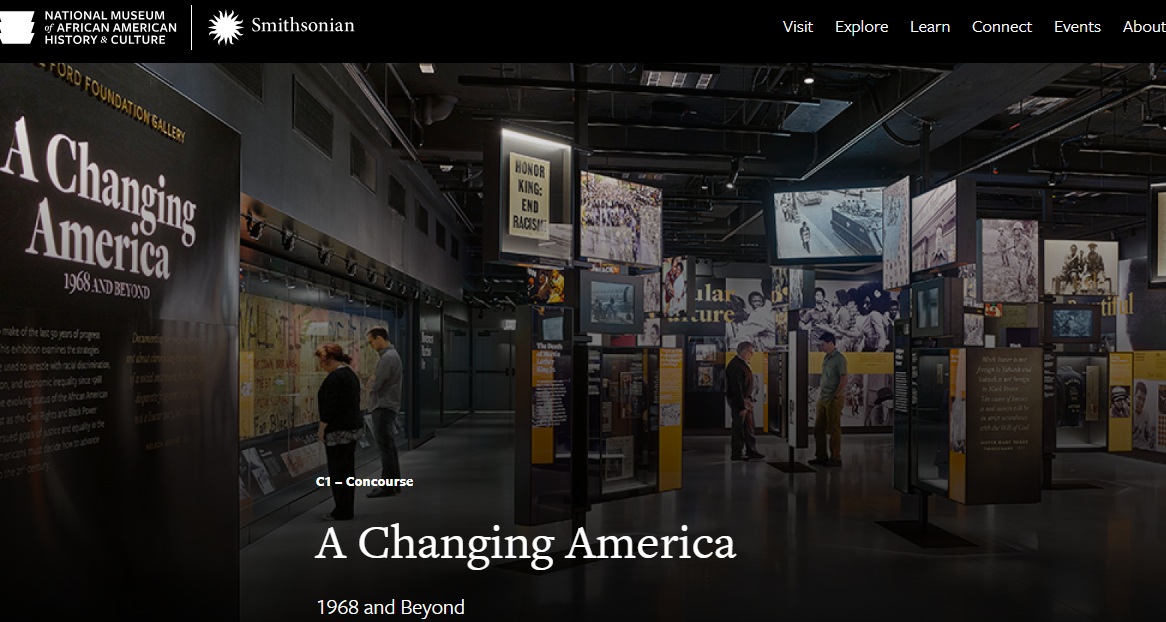
Since returning to office, Trump has overseen the removal of words like “oppression” and “injustice” from federal websites. References to Black historical figures such as Harriet Tubman and the Tuskegee Airmen have quietly disappeared. Books by Black authors like Maya Angelou have been removed from school libraries. And exhibits at the Smithsonian focusing on race have come under attack for being too “divisive.”
At the same time, Trump has elevated unofficial, unpaid “holidays” like “Gulf of America Day,” while falsely claiming to “reinstate” others like Columbus Day that were never canceled. Juneteenth, a holiday recognized by Congress and signed into law in 2021, didn’t even get a mention this year. That silence is deafening. It speaks volumes about how this administration prioritizes whitewashed myths over the hard truths of American history.
This isn’t policy—it’s propaganda.
As historian Chad Williams said in the article, this is more than historical revisionism—it’s an attempt to “craft a propaganda version of history” that glorifies the past while erasing the Black struggle, Black brilliance, and Black resistance that helped shape the nation.
Civil rights leaders are calling it what it is.
“Trump’s behavior around Juneteenth isn’t isolated at all — it speaks to how he views our community, and everyone who doesn’t look like him or isn’t as wealthy as he is,” said Derrick Johnson, the president of the NAACP. “It’s why he’s stripping away our rights, erasing our history and silencing our voices.”
Melanie L. Campbell, chairwoman of the Power of the Ballot Action Fund, was even more direct:
“He’s clear that he wants a white America,” Campbell said of Trump. “And what white America looks like for him does not include anybody of color.”
These actions aren’t about reducing bureaucracy or promoting unity. They are part of an aggressive effort to impose a whitewashed version of American history—one that deliberately excludes the pain, resistance, and triumphs of Black people. It’s an attempt to rewrite the rules of who gets to be included in the American story. Juneteenth is one of the few moments in our national calendar that centers Black freedom and truth-telling. Denying its importance while celebrating militarism and mythology isn’t accidental. It’s ideological.
In 2021, President Biden signed Juneteenth into law following national uprisings sparked by the deaths of George Floyd, Breonna Taylor, and others. The holiday stands not just for the end of slavery, but as a reckoning with America’s unfinished struggle for racial justice. Trump’s refusal to acknowledge Juneteenth this year—while issuing proclamations for Flag Day, Father’s Day, and the Battle of Bunker Hill—is not just a snub. It’s a signal.
A signal that under his leadership, truth is negotiable. That Black lives, histories, and contributions are expendable. That any effort to teach America’s full story—especially the parts soaked in blood and struggle—is labeled “divisive.”
This Juneteenth, let’s be clear: the battle isn’t just over holidays—it’s over truth. Over memory. Over who gets to be seen as a builder of this nation.
Leaders like Melanie Campbell and Derrick Johnson are raising the alarm, but it’s up to all of us to preserve and teach the full story of America—because Black history is American history.
📖 Read Erica L. Green’s full article here:
🔗 How Trump Treats Black History Differently Than Other Parts of America’s Past